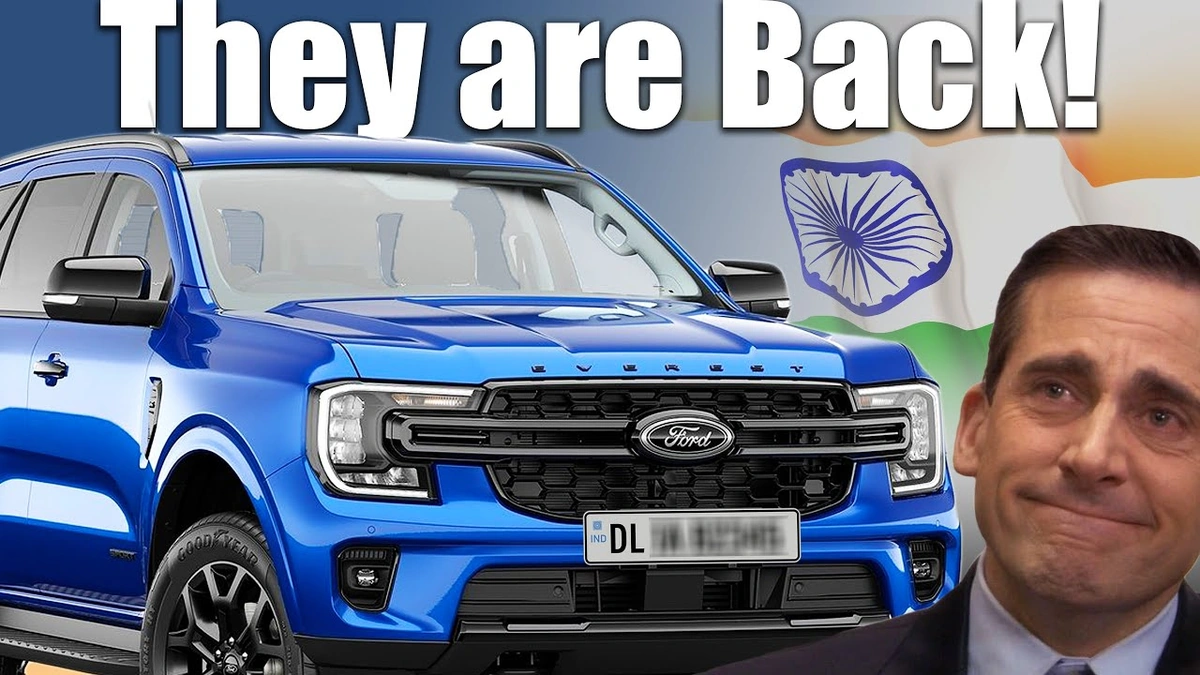
Ford’s exit from India left many car enthusiasts and industry watchers scratching their heads. But, like a Bollywood plot twist, the story isn’t over. News has broken that Ford is potentially re-entering India, armed with a ₹3250 Crore agreement focusing on their Chennai plant. Now, the big question isn’t just what is happening, but why ? What’s driving this potential comeback, and what does it mean for the Indian automotive landscape? That’s what we’re going to explore.
The Plot Thickens | Why This Deal Matters
Here’s the thing: Ford’s initial departure wasn’t exactly graceful. It left a void, disappointing customers and impacting suppliers. So, this potential re-entry isn’t just about Ford; it’s about the larger narrative of foreign investment in India and the long-term viability of the automotive sector. Are they really here to manufacture electric vehicles? Or is it just about exporting left-hand drive vehicles? Let’s be honest – the devil is always in the details.
One crucial factor is the Production Linked Incentive (PLI) scheme. The PLI scheme for the auto sector is designed to boost domestic manufacturing and attract investments in advanced automotive technology. Ford likely sees this as an opportunity to leverage existing infrastructure while tapping into government incentives. This scheme is a big deal, and you can find more information about the incentives on the Invest India website .
But, and this is a big ‘but,’ the Indian market is fiercely competitive. Players like Maruti Suzuki, Hyundai, and Tata Motors have a strong foothold. For Ford to succeed, they’ll need more than just a factory; they’ll need a compelling product strategy tailored to the Indian consumer. Think affordable EVs, strong after-sales service, and a pricing strategy that undercuts the competition. It’s a tall order, but not impossible.
Chennai Plant | The Epicenter of Ford’s Second Act?
The Chennai plant is the key to this whole saga. It’s not just bricks and mortar; it’s a strategic asset. What fascinates me is the potential for this plant to become a hub for electric vehicle (EV) manufacturing and export. India has the potential to become a major player in the global EV market, and Ford could position itself at the forefront. The potential Ford Chennai plant agreement hinges on successfully leveraging this established infrastructure for new EV production.
And let’s not forget the existing supplier ecosystem around Chennai. Re-activating this network will be crucial for cost-effectiveness and speed to market. Building a new supply chain from scratch would be a logistical nightmare. The existing automotive manufacturing base makes Chennai a logical location.
So, what are the next steps? Due diligence, regulatory approvals, and, most importantly, a clear roadmap for product development and market entry. This isn’t a sprint; it’s a marathon. And Ford needs to pace itself accordingly.
The Electric Avenue | Is Ford Betting on EVs?
The global automotive industry is undergoing a massive transformation, driven by the shift towards electric vehicles. If Ford wants to be relevant in India, they need to embrace this trend wholeheartedly. Simply dusting off old models won’t cut it. The ₹3250 Crore investment should, ideally, be channeled towards developing and manufacturing EVs specifically for the Indian market. Now that’s the Indian automotive landscape to bet on.
What excites me is the prospect of seeing affordable, high-quality EVs rolling off the assembly line in Chennai. This could disrupt the market and accelerate the adoption of electric mobility in India. However, Ford will need to overcome challenges such as battery sourcing, charging infrastructure, and consumer awareness. But hey, what’s a good story without a few hurdles?
Lessons from the Past | Avoiding Previous Pitfalls
Ford’s previous stint in India was marked by a few missteps. Overpriced models and a lack of understanding of the local consumer preferences were major contributing factors. This time around, they need to learn from those mistakes and adopt a more agile and customer-centric approach.
A common mistake I see companies make is trying to force-fit global models into the Indian market. It simply doesn’t work. Indian consumers have unique needs and preferences, and Ford needs to cater to them specifically. This means focusing on fuel efficiency, affordability, and features that are relevant to the Indian driving conditions.
Also key is a robust after-sales service network. Word-of-mouth is powerful in India, and a positive customer experience can go a long way in building brand loyalty. This is where Ford needs to invest heavily. Here you can check Indian Markets are Stable or Not .
Let me rephrase that for clarity: Ford’s success hinges on understanding and catering to the Indian consumer. No shortcuts, no compromises.
What I initially thought was a simple re-entry story has turned into a complex analysis of market dynamics, government incentives, and consumer behavior. And that’s what makes it so fascinating. Ford’s journey in India is far from over, and the next chapter promises to be full of twists and turns. The Ford India deal has many potential impacts. Don’t miss Amazon Corporate Layoffs .
FAQ
Will Ford cars become cheaper in India?
Potentially, yes. Local manufacturing and government incentives could lead to more competitive pricing.
What type of cars will Ford manufacture in India?
The focus is expected to be on electric vehicles (EVs), aligning with the global shift towards sustainable mobility.
When can we expect to see Ford cars on Indian roads again?
It’s too early to say definitively. The agreement is still in its early stages, and timelines depend on regulatory approvals and product development.
What happens to existing Ford car owners in India?
Ford is committed to providing service and support to existing customers. This should continue even with the new agreement.
Will Ford hire more people in Chennai?
Yes, the reactivation of the Chennai plant is likely to create new job opportunities.
Ford’s potential re-entry into India is more than just a business deal; it’s a testament to the resilience of the Indian market and the enduring appeal of the automotive dream. Whether they succeed or fail, this comeback story is bound to be a wild ride.